People often use the words "prosthesis" and "orthosis" as if they mean the same thing. They do not. Knowing the difference makes it easier to talk with your doctor and to understand what kind of care you need.
What is a prosthesis?
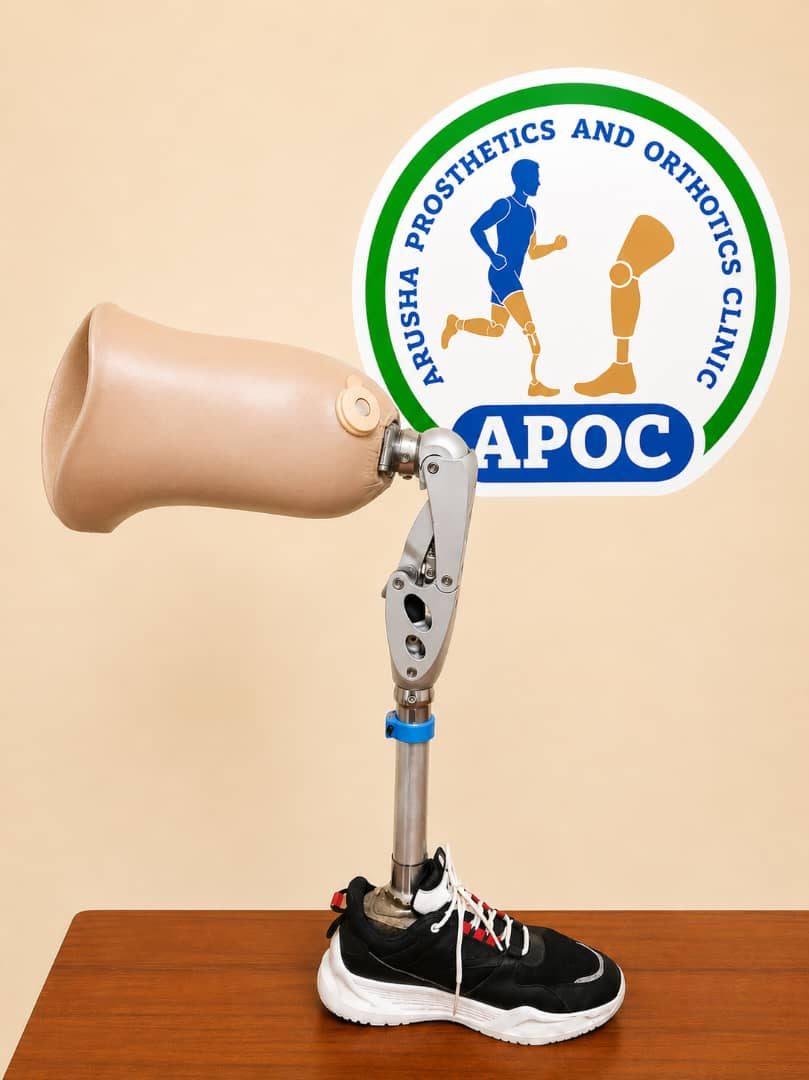
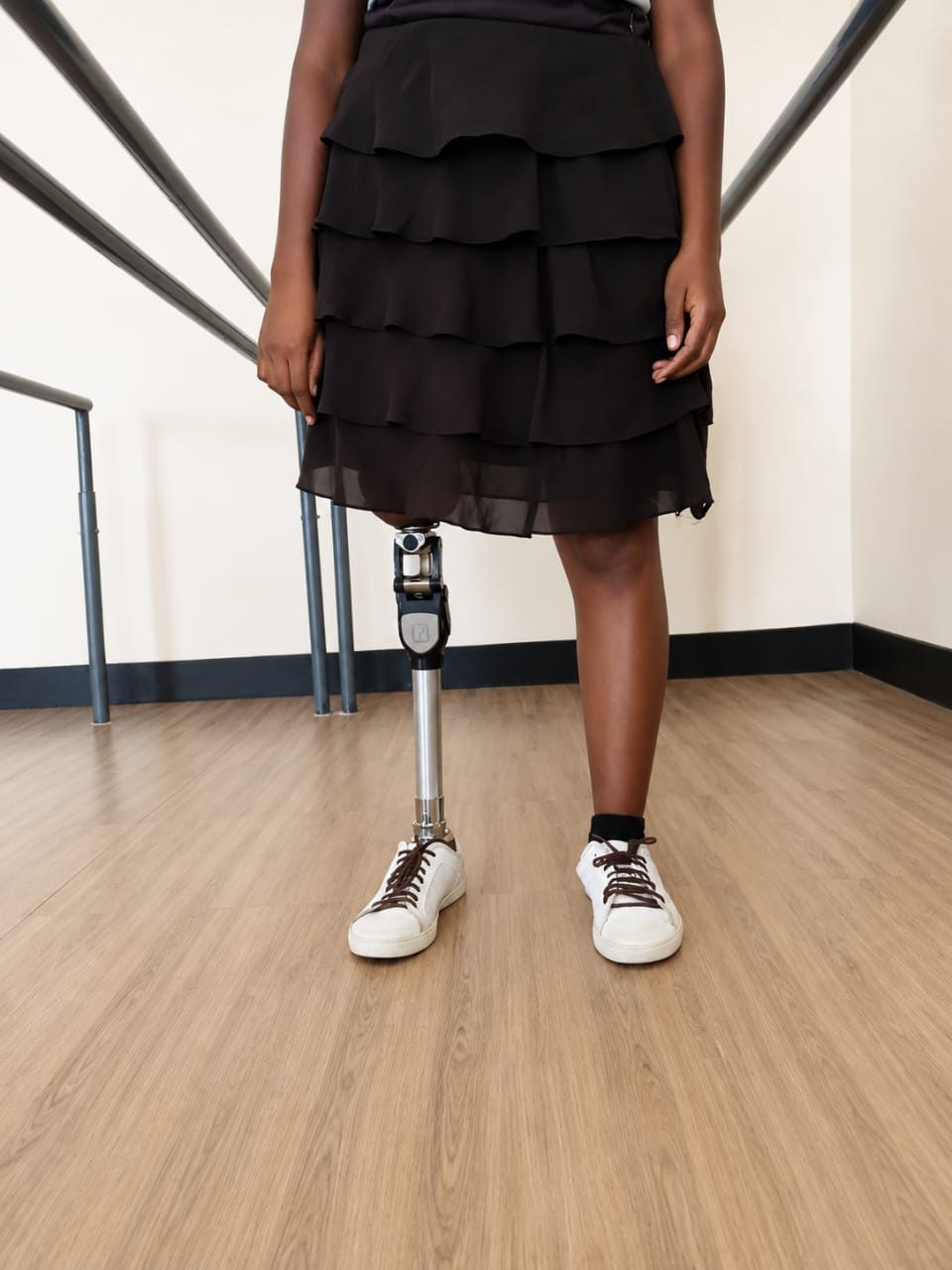
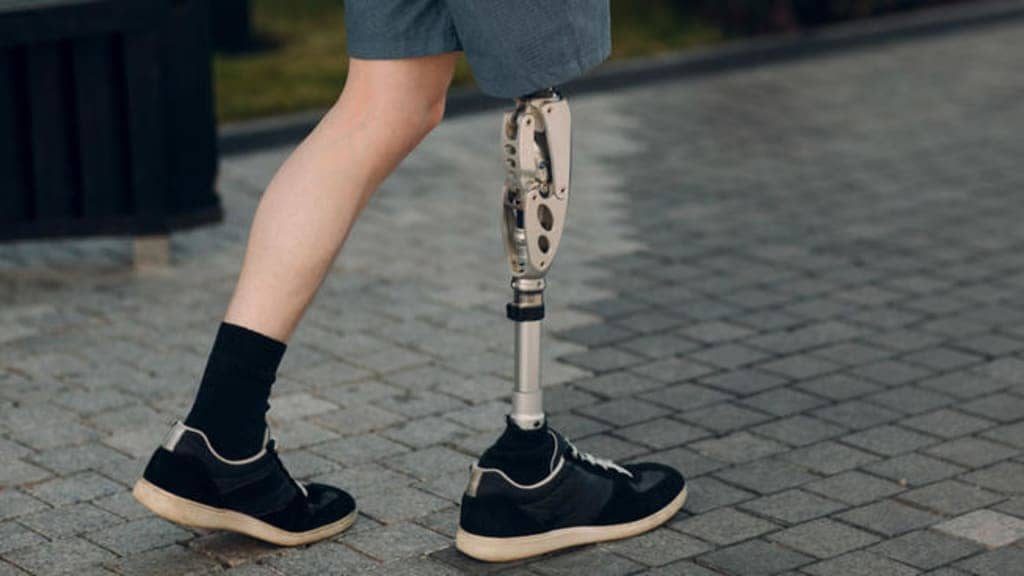
A prosthesis is an artificial replacement for a part of the body that is missing. The most familiar examples are artificial legs and arms. A prosthesis may replace a limb that was lost through injury, illness or surgery, or one that a child was born without.
Lower-limb prostheses are named after the level of the leg they replace. A transtibial prosthesis is for someone whose leg ends below the knee. A transfemoral prosthesis is for someone whose leg ends above the knee. Prostheses also exist for the foot, the hand, the forearm and the upper arm.
What is an orthosis?
An orthosis is a device worn on a part of the body that is still there. Its job is to support that part, protect it, correct its position or help it work better. Braces and splints are orthoses. So are special insoles and corrective footwear.
Orthoses are usually named after the joints they cover. An ankle-foot orthosis (AFO) supports the ankle and foot. A knee-ankle-foot orthosis (KAFO) supports the leg from the thigh to the foot. A hip-knee-ankle-foot orthosis (HKAFO) reaches up to the hip. A spinal orthosis supports the back.
A simple way to remember
- Prosthesis: replaces a part of the body that is missing.
- Orthosis: supports or corrects a part of the body that is present.
Who might need which?
A person who has lost a leg or an arm may need a prosthesis. A person with weak muscles, an unstable joint, a foot that drops when walking, a curved spine or another condition that affects how they stand and walk may need an orthosis. Some people use both, for example a prosthesis on one leg and a brace on the other.
Only a clinical assessment can show what is right for you, because every device is made for one person. The best design depends on your body, your condition, your daily activities and your goals.
How APOC can help
Arusha Prosthetics and Orthotics Clinic offers both prosthetic and orthotic services, together with clinical assessment, fabrication, gait training and rehabilitation, follow-up and repairs, and pediatric care. If you are not sure which one you need, you do not have to work it out alone.
To book an assessment, call +255 759 827 678 or +255 754 088 716, or email info@apoc.co.tz.
This article is general information. It does not replace an assessment by a clinician.
Leave a Comment